Skip to content
Marietta, GA · Serving metro Atlanta and remote clients

Business automation for the work that keeps getting stuck.

I help service businesses fix missed follow-ups, repeated data entry, and handoffs between tools. Bring one process that is costing you time. We will work out what needs to change before choosing software.

Talk through the problem →

A 15-minute first conversation with Mike. No prepared technology plan required.

Or call Hank at (470) 467-7724

Your local point of contact

I’m Mike Matthews. I build and support the system with you.

I am based in Marietta. My background is in back-office operations and fraud analysis, where missed details and unclear ownership matter. That is why the work starts with the process, the people using it, and what happens when something goes wrong.

I also get out and meet the businesses I want to work with. At the IEC Atlanta & Georgia training-center opening, I met electrical contractors and toured the training space.

See the visit and meet the people behind the work →
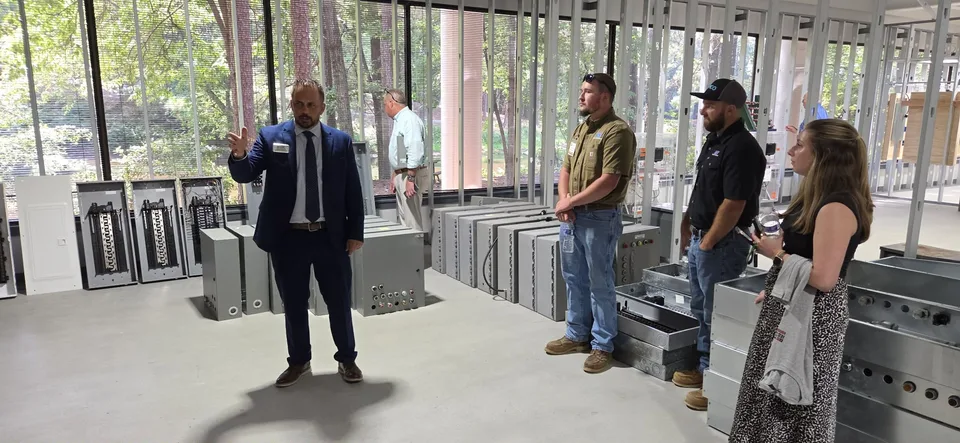
A tour group inside an electrical training room, surrounded by practice panels and wiring stations.
IEC Atlanta & Georgia, . Photo from my visit as an attendee, not a client project or endorsement.
No. 01

Three places useful work usually starts.

The service is broad because operations are connected. The first project stays narrow enough to understand, test, and own.

01

Revenue follow-up

Good leads are being captured, but the next touch depends on memory.

  • Estimate and proposal follow-up
  • Lead reactivation and review requests
  • Clear ownership and due dates for every open relationship
02

Operations automation

The sale is happening, but the handoffs behind it create repeated work and mistakes.

  • Onboarding, document collection, and approvals
  • Scheduling, billing, and status communication
  • Field notes, attachments, and records filed in the right place
03

Connected systems

The business has useful tools, but important information lives in more than one of them.

  • CRM, phone, calendar, email, and accounting connections
  • Role-specific views for owners, sales, and delivery
  • Custom software where an existing tool cannot do the job cleanly
No. 02

The first call is working discovery.

You do not need a prepared technology plan. You need a process you can show and a reason it matters.

The first call helps us choose the next step. A detailed scope may need a longer discovery session, sample records, or a check of your software’s access limits.

When do you need AI, automation, or a process change? →

Questions worth answering

  1. 01 Where does work wait for a person who is busy doing something else?
  2. 02 What gets typed, copied, or explained more than once?
  3. 03 Which missed handoff costs the most money or trust?
  4. 04 What result would make the first build obviously worthwhile?
  5. 05 Which tools already work and should stay in place?
No. 03 · Proof before pitch

The operating system behind this company is part of the evidence.

Matthews Automation runs its own sales follow-up, demo delivery, onboarding, audit history, and client work through the systems it builds. That is not presented as a customer case study. It is direct evidence that the work is used under real operating pressure.

Customer results are published only with permission and clear attribution.

Read how our phone system handles a conversation → Understand the tradeoffs behind the software choices →
No. 04

What you should expect.

Before commitment
A written scope with the result, boundary, price, dependencies, support plan, and the person who owns each next step.
During the build
Visible progress, real test scenarios, and documented decisions when the process changes.
At handoff
A working system, a clear operating path, and enough history to diagnose what happened if a dependency fails later.
After launch
Measure the intended result before deciding whether the next constraint deserves another build.
No. 05

Before we talk.

Do I need to buy Hank first?
No. Hank is a strong first project when missed calls are the clearest revenue leak. If the expensive problem is follow-up, billing, onboarding, or disconnected tools, the first scope should start there.
What does a custom project cost?
It is quoted after the process and result are understood. You receive a written scope with the price, boundaries, dependencies, and support plan before committing. Hank is $1,500 to get started, covering the complete build plus your entire first month of service. Then $497/mo, up to 300 calls/mo, 75¢/call over 300.
Will I have to replace my current software?
Usually not. A useful build should connect and improve the tools that already work. Replacement is recommended only when a current tool is the actual constraint, not because a new stack is easier to sell.
What happens after launch?
The build is tested, documented, and monitored according to its risk. The handoff identifies what changed, who owns each dependency, and where to look if an upstream service changes later.
What if a simple tool already solves the problem?
Then the recommendation should name it. The goal is to fix the operation, not force a custom build where a smaller answer is better.
Do you work only with Atlanta businesses?
I am based in Marietta and work with service businesses around metro Atlanta, including nearby Smyrna and Kennesaw. Remote projects are available across the US. We agree on the working arrangement and any in-person sessions before the project starts.
Talk through the problem → 15 minutes · Bring one process you want to improve